In the pediatric wing of a busy hospital, mornings usually began with the soft hum of machines, the distant shuffle of nurses’ shoes, and the tired voices of parents sipping lukewarm coffee.
Most people walked those white-tiled hallways without ever noticing the quiet miracles happening just a few feet away.
Among the flurry of clipboards and beeping monitors, there was one nurse — always in a crisp blue uniform, hair neatly tied back, eyes warm despite the exhaustion of endless shifts — who had her own private ritual. It was not written in any manual.
No supervisor had asked her to do it. And yet, she did it every single day, without fail, long before anyone realized.

Each morning, before she touched an IV bag or checked a chart, she would visit the small patients one by one. Some were awake, their tiny eyes heavy with fatigue; others were still lost in dreams.
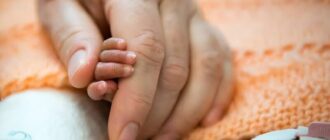
She would pause at each bed, lean down, and rest her palm ever so gently against a forehead — not in the brisk, clinical way of taking a temperature, but in a slow, almost sacred touch.
She would whisper words so soft they barely rose above the rhythmic beeping of the monitors. A simple “Good morning, brave one,” or “You are strong, and you will get better,” flowed from her lips. For some children, she sang — soft lullabies that seemed to float through the sterile air like a warm breeze through an open window. Even those too weak to open their eyes seemed to calm under her voice.

She didn’t skip a single child. Even those in deep sedation received her kindness, as if their bodies could still hear what their minds could not. She tucked in blankets, straightened stuffed animals, and sometimes slipped tiny handwritten notes under pillows — colorful scraps of paper with messages like “You are loved” or “Today will be a better day.”
One morning, a mother who had stayed later than usual witnessed the ritual. At first, she thought it was simply part of the nurse’s rounds.
But when she saw the woman close her eyes for a brief second, as if offering a silent prayer, and then press her lips into a gentle smile before moving to the next child, the truth sank in. This was no procedure. This was love, disguised as routine.
That mother couldn’t keep the moment to herself. She told others — not for attention, but because she knew something rare when she saw it. And once her story was shared, other parents began adding their own.

They spoke of mornings when the nurse had brought a scared child into her arms during a storm, of evenings when she had returned after her shift just to sit beside a lonely patient, of days when her laughter had filled the halls and made even the sickest children forget their pain for a while.
No one knew exactly how long she had been doing it. Perhaps years. Perhaps decades. But it didn’t matter. What mattered was that, in a place where fear and uncertainty hung thick in the air, she brought something invisible yet essential — hope.
Eventually, word of her quiet acts reached the hospital administration. They didn’t give her a medal or a speech in the cafeteria. Instead, at the entrance of the pediatric wing, they placed a simple brass plaque. No job title. No credentials. Only a single inscription:
“To the one who also healed the soul.”

Now, when new families arrive — their hearts heavy, their minds racing — they see that plaque. And if they’re lucky enough to stay long enough to witness her ritual, they understand exactly what it means.
For in a world obsessed with tests, treatments, and timelines, she reminded everyone that healing wasn’t only about medicine. Sometimes, it was about the human touch, the whispered words, and the unseen kindness that seeped into the heart like sunlight through a crack in the blinds.
And every time her hand rests on a small forehead, whether the child hears her or not, a seed of comfort is planted. Some will never remember the sound of her voice.
But their parents will. And they will carry it forever — the knowledge that, for those precious mornings, someone loved their child as fiercely as they did.