After giving birth to conjoined twins, I thought the hardest chapter of my life was over, but an astonishing revelation changed everything.
When my twin boys were born, I thought I had already experienced the greatest challenge any mother could face. They were conjoined, and the first months of their lives were filled with hospital visits, endless examinations, and difficult decisions. Yet, somehow, we found reasons to smile. Every tiny movement, every giggle, and every moment they spent looking into each other’s eyes reminded me why I had to remain strong. ❤️👶
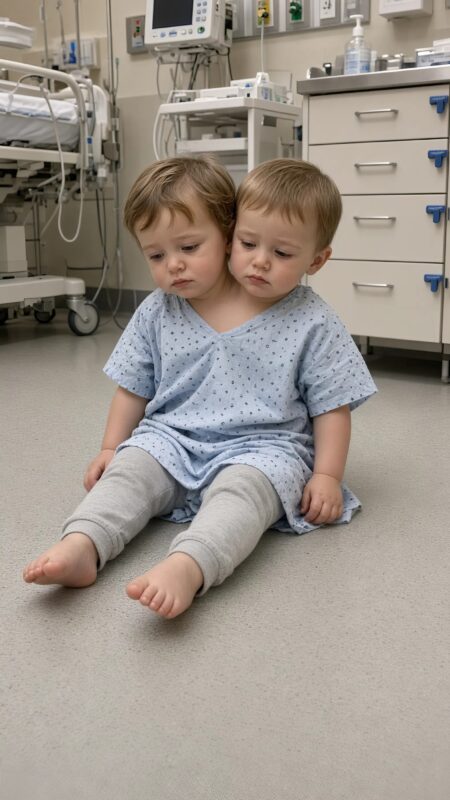
My sons, Noah and Liam, were almost two years old. They had grown into curious, energetic little boys who loved music, colorful toys, and listening to bedtime stories. Although they shared a special physical connection, they had different personalities. Noah was quiet and observant, while Liam was adventurous and constantly reaching for anything that caught his attention.
Because of their condition, we had spent countless days consulting specialists. Doctors had carefully evaluated whether separating them would be possible and safe. Every appointment brought a mixture of hope and fear. My husband and I learned to celebrate small victories because we understood how precious every healthy day could be. 🥹❤️
Then, shortly before their second birthday, I noticed something unusual about Noah.
He seemed unusually tired. He stopped playing as often, refused some of his favorite foods, and frequently wanted to be carried. At first, I assumed he was experiencing a temporary illness. However, when I noticed that his stomach appeared swollen and he became pale, I knew I could not ignore the warning signs.
I took both boys to the hospital.
After examining Noah, the pediatrician ordered blood tests and an abdominal ultrasound. The doctor’s expression changed as she studied the results. She requested additional scans and referred us to a pediatric oncology team.
I remember sitting in the corridor, holding Liam against my chest while my husband paced nervously beside us. I could hear children laughing somewhere down the hallway, but I felt as though the entire world had suddenly gone silent. 💔
Several hours later, the oncologist entered the room.
“We have found a mass in Noah’s abdomen,” she explained gently. “The initial findings are concerning for a cancer called neuroblastoma. We need further tests to confirm the diagnosis and determine its stage.”
I struggled to understand her words.
Cancer?
My little boy was not even two years old. He still mispronounced simple words, clapped whenever his favorite song played, and fell asleep holding my finger.
“How can this happen to him?” I whispered.
The doctor explained that neuroblastoma is a cancer that develops from immature nerve cells, most commonly in infants and young children. Its behavior varies considerably. Some tumors grow slowly, while others can spread and require intensive treatment. The next steps would include specialized imaging, additional laboratory tests, and a biopsy if appropriate.
Then I asked the question that frightened me most.
“What about his brother? Because they are conjoined, could Noah’s cancer spread to Liam?”
The oncologist paused before answering.
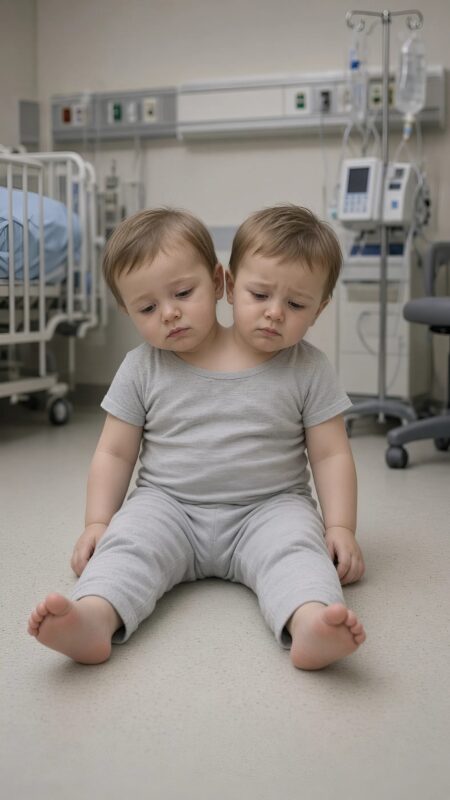
“Cancer does not spread from one child to another through ordinary contact. However, because your boys share certain anatomical structures, we must understand their individual anatomy very carefully. We cannot assume that the tumor involves both children, nor can we rule out a shared medical complication without investigating further.”
She explained that cancer cells can spread within the affected child’s body, but cancer itself is not contagious. Whether the twins shared any organs, blood vessels, or other structures that might complicate treatment required detailed assessment by specialists. 😢🏥
Over the following days, our lives became a cycle of scans, consultations, and waiting.
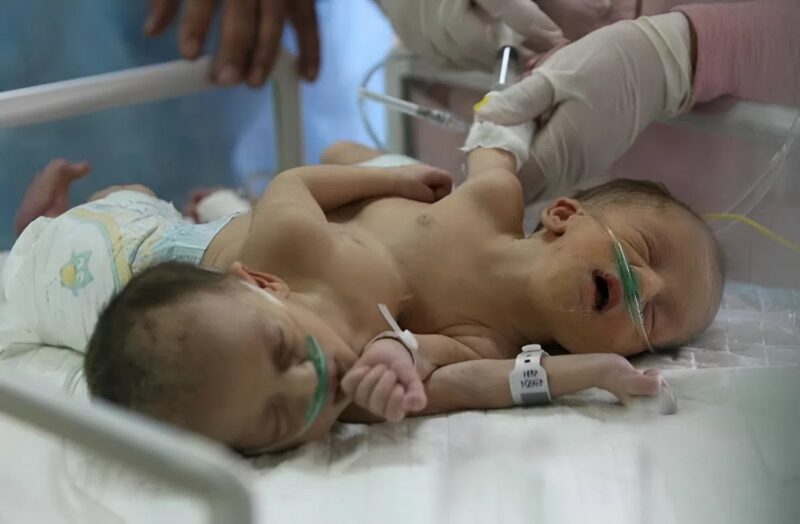
The doctors confirmed that Noah had neuroblastoma. They studied the tumor’s location, checked whether it had spread, and evaluated how its position related to the structures shared by the twins. A multidisciplinary team involving pediatric oncologists, surgeons, radiologists, and other specialists developed an individualized treatment plan.
Depending on the tumor’s characteristics and risk category, treatment could involve surgery, chemotherapy, or other therapies. The doctors emphasized that they would select the safest approach based on Noah’s specific diagnosis and the risks to both children.
Chemotherapy began after the team explained the expected benefits and possible side effects. Some days, Noah was exhausted and barely wanted to play. Other days, he smiled when Liam brought him a toy, as though nothing in the world had changed. ❤️🩹
Watching them together was heartbreaking. Liam would sometimes touch his brother’s cheek and offer him his favorite stuffed animal. He did not understand the word cancer, but he seemed to recognize when Noah needed comfort.
I slept beside their hospital beds whenever I could. I learned the names of medications, the purpose of every examination, and which changes required immediate medical attention. I asked questions whenever something frightened me because I needed to understand what was happening to my child.
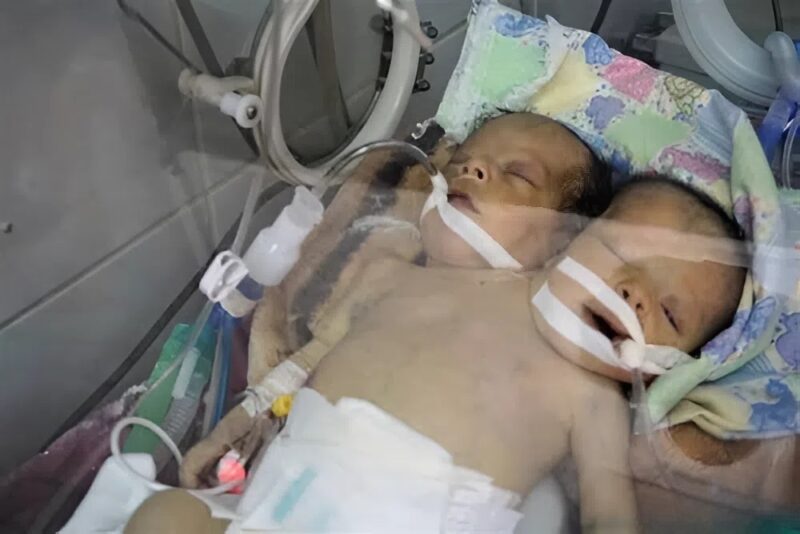
Then, during a follow-up assessment, the specialists discovered something unexpected in the detailed imaging. The tumor’s relationship to the twins’ shared anatomy was more complicated than the initial examinations had suggested.
The lead surgeon asked us to attend an urgent family meeting.
My husband squeezed my hand as we entered the room. The oncologist looked at us and said, “We need to discuss an important finding. It may change how we approach Noah’s treatment and the future care of both boys.”
I looked at my two little sons sitting together in their stroller, unaware that the next few words might change their lives forever.
And when the doctor finally showed us the new images, I understood that our greatest challenge was only beginning. 💔😭